80%
Faster cost allocation process
"Farseer has significantly enhanced the speed, quality and reliability of our insights."

Cube makes your spreadsheets smarter. Farseer gives finance a real planning platform to own – similar to Excel just by the looks, but without the spreadsheet hiccups.

Trusted by enterprise finance teams












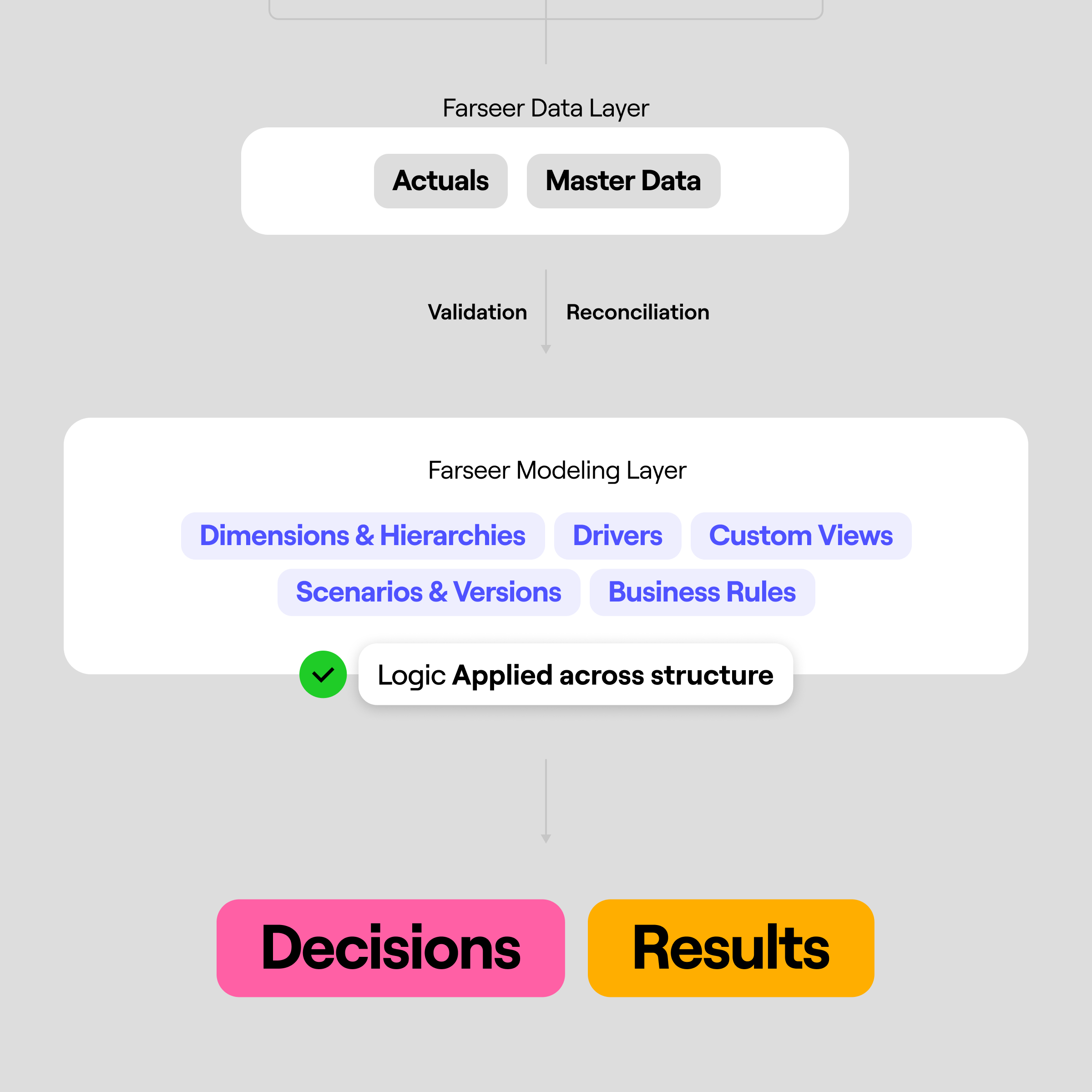
Cube makes spreadsheets better. Farseer replaces the reason you were fighting them in the first place.
Cube’s intelligence still resolves back to Excel and Sheets, which means the heavy modeling, and the version-control and performance headaches that come with it, lives in the grid.
Farseer runs the whole thing inside one governed model, so the plan, the actuals, and the drivers are one connected system rather than a layer syncing to a spreadsheet.
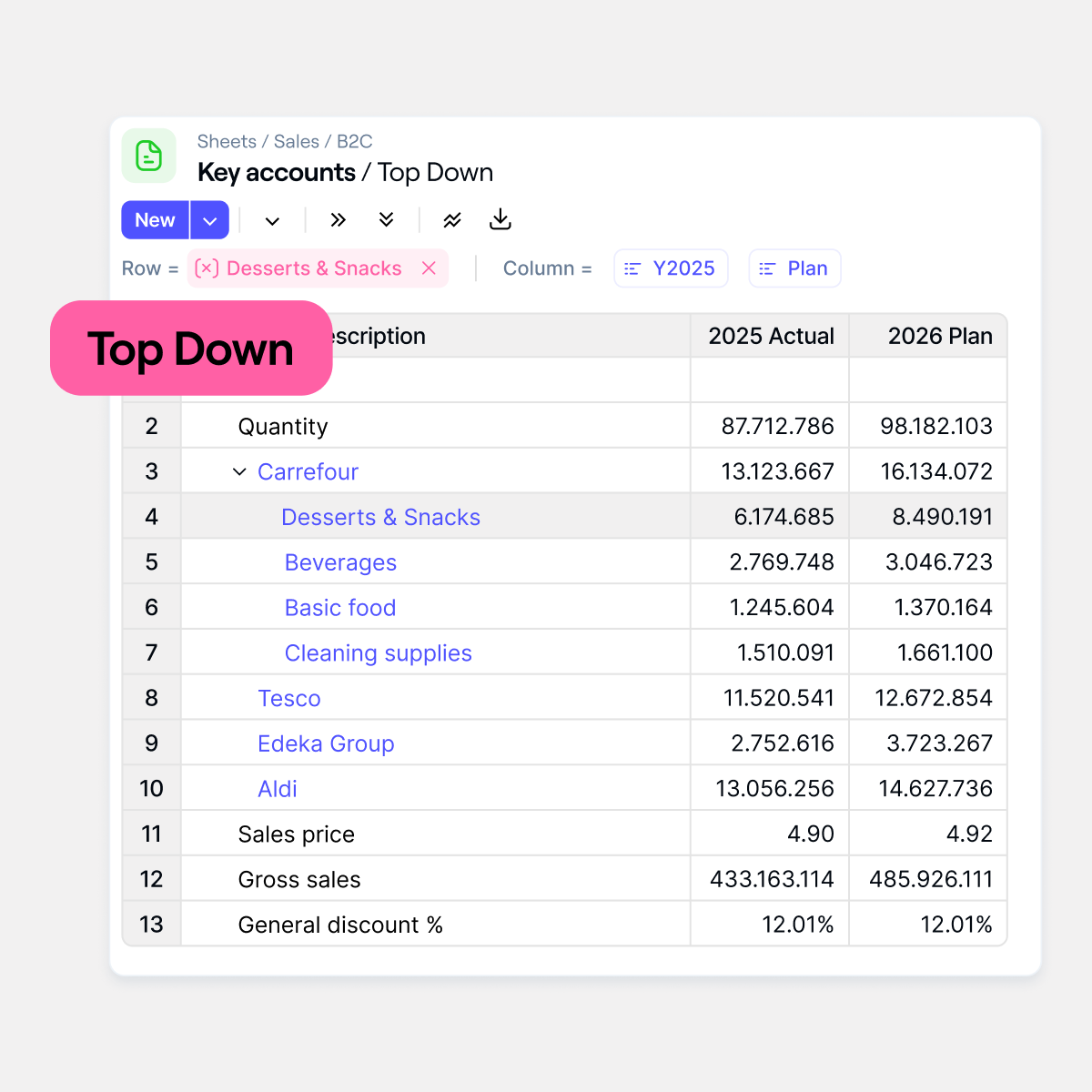
Cube’s own reviewers say: data pulls that should take minutes can stretch for hours or fail out entirely, and drill-down is limited for teams that need to slice deep.
That’s the predictable cost of a spreadsheet-bound architecture.
Farseer is built as a planning engine from the ground up, so large, multi-dimensional models and transaction-level drill-down are the default, not the point where the tool strains.
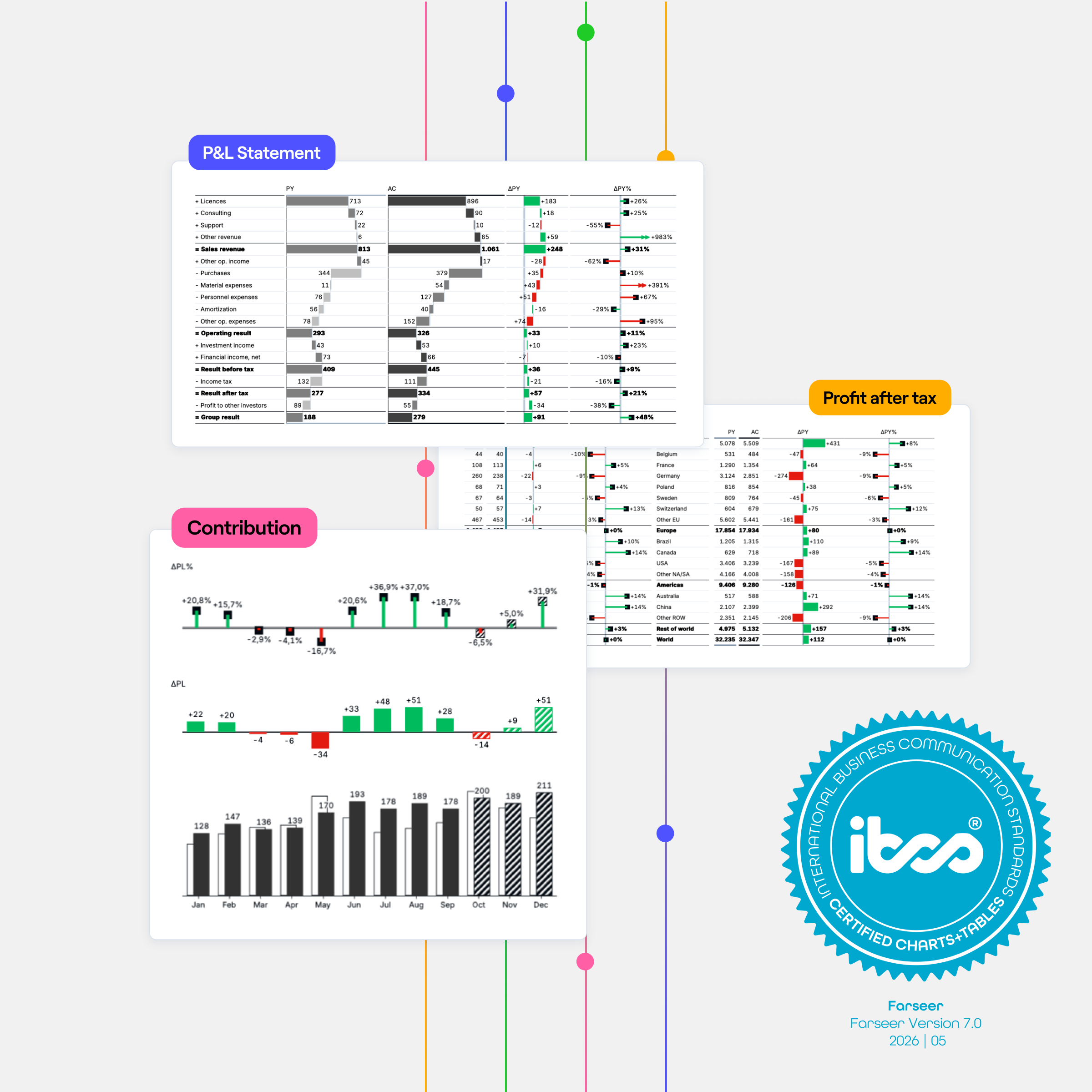
Cube produces clean, spreadsheet-native reports and pushes live data into PowerPoint – useful, and better than copy-paste.But there’s no IBCS certification behind it.
Farseer’s dashboards are IBCS-certified, which means board and investor reporting follows a recognized visual standard for clarity and consistency rather than whatever each analyst assembles in a deck.
80%
Faster cost allocation process
"Farseer has significantly enhanced the speed, quality and reliability of our insights."
50%+
Reduction in manual work
"Farseer is so intuitively easy to use that whoever logged in continued to use it."

70%
Fewer planning cycle steps
"Farseer's driver-based planning gave us a reliable structure and streamlined our entire process."

Not in the enterprise sense. Cube is a spreadsheet-native FP&A layer — strong at budgeting, forecasting, reporting, and now automated consolidation for mid-market teams. Independent analysts classify it as FP&A-only rather than a close-first EPM suite. Farseer is a full planning platform that runs planning, consolidation, and statutory-grade reporting in one model.
Yes — Cube added multi-entity consolidation, currency translation, and intercompany eliminations, and it’s a legitimate capability for mid-market groups. The difference is depth: Farseer is built for complex group structures and multi-GAAP statutory reporting, where the consolidation requirement is the reason you’re buying, not an added convenience.
It’s a fair reason to look hard at Cube — the native Excel and Sheets experience is excellent. But Farseer also works inside Excel and Google Sheets with bi-directional sync, so you don’t give up the spreadsheet. What you gain is a real model underneath it, so the spreadsheet stops being the place where performance and version control break down.
Both ship AI agents for FP&A work — forecasting, variance explanations, reporting narratives. Cube is ahead on one specific front: its MCP server connects governed financial data to external assistants like Claude and ChatGPT, which is a genuine strength. Worth noting for budgeting: Farseer’s AI capabilities are a paid add-on rather than bundled.
Both are self-service and fast to stand up compared to legacy EPM — neither requires an army of consultants, and that’s a real shared advantage over the enterprise incumbents. Cube’s up-front work is coding your operating model into the layer; Farseer’s is configuring the model in-platform. For a straightforward mid-market deployment the timelines are comparable; Farseer pulls ahead when the model is large or the group structure is complex.