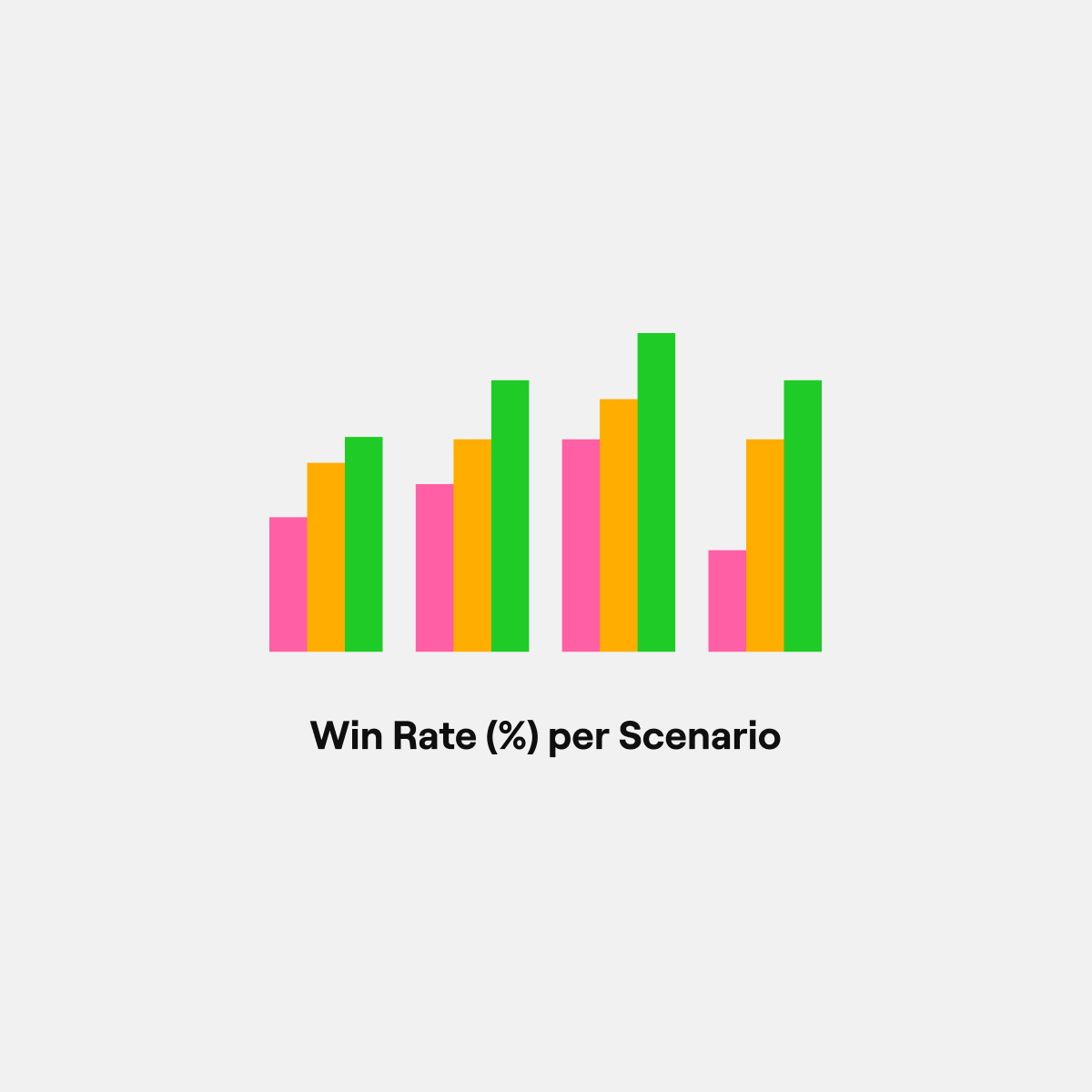
Scenario planning in finance is a strategic method where teams model multiple possible outcomes — such as best case, worst case, and base case — to understand how different assumptions affect financial performance. It helps organizations prepare for uncertainty by testing decisions before committing resources.
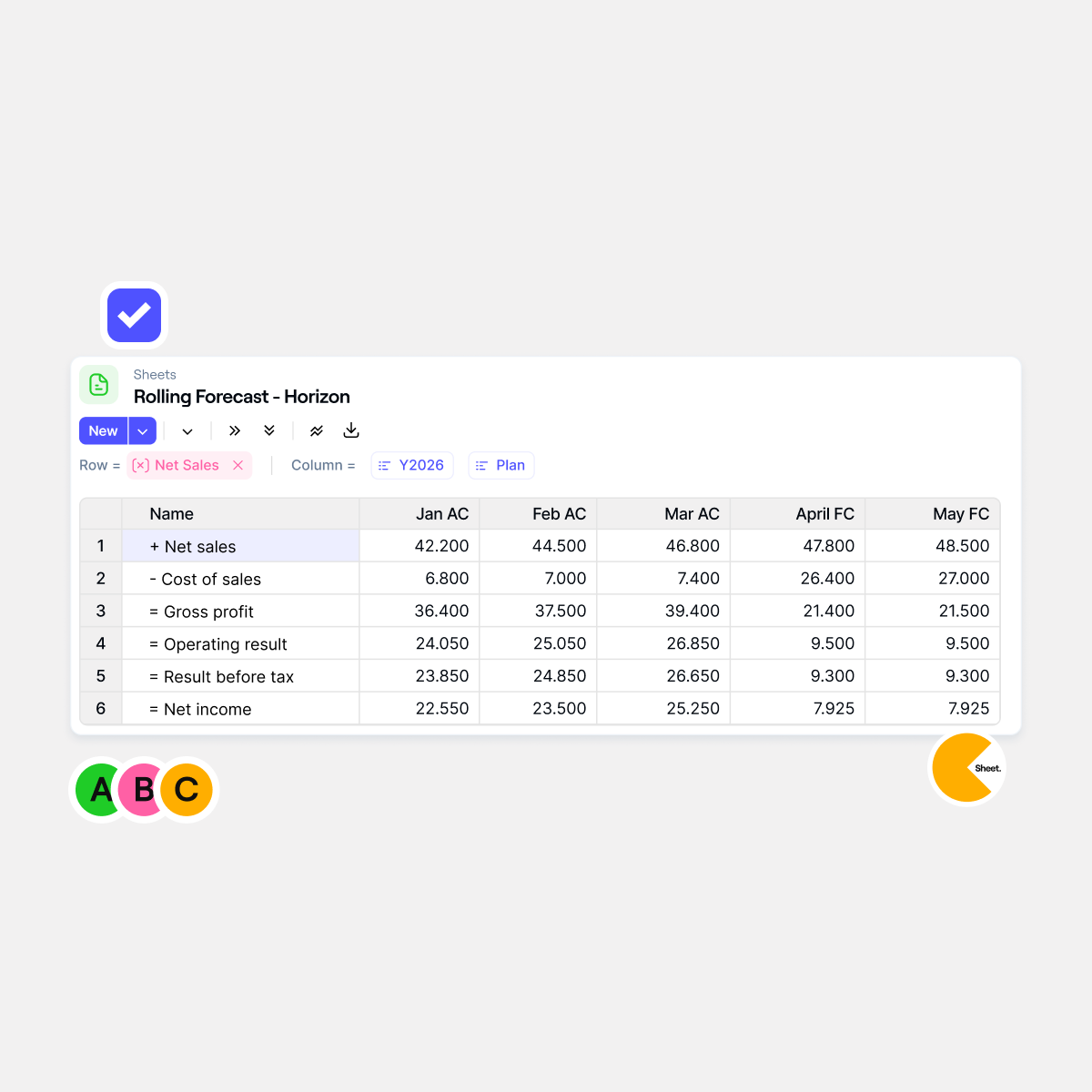
Start by identifying key business drivers like revenue, costs, and headcount. Then create multiple scenarios by adjusting those assumptions and comparing the financial impact across P&L, cash flow, and balance sheet. Tools like Farseer let you do this in one connected model without duplicating files.
Scenario planning models complete alternative futures by changing multiple assumptions at once — like a downturn combining lower revenue with higher costs. Sensitivity analysis isolates one variable at a time to measure its individual impact. Both are valuable; Farseer supports both within the same model.
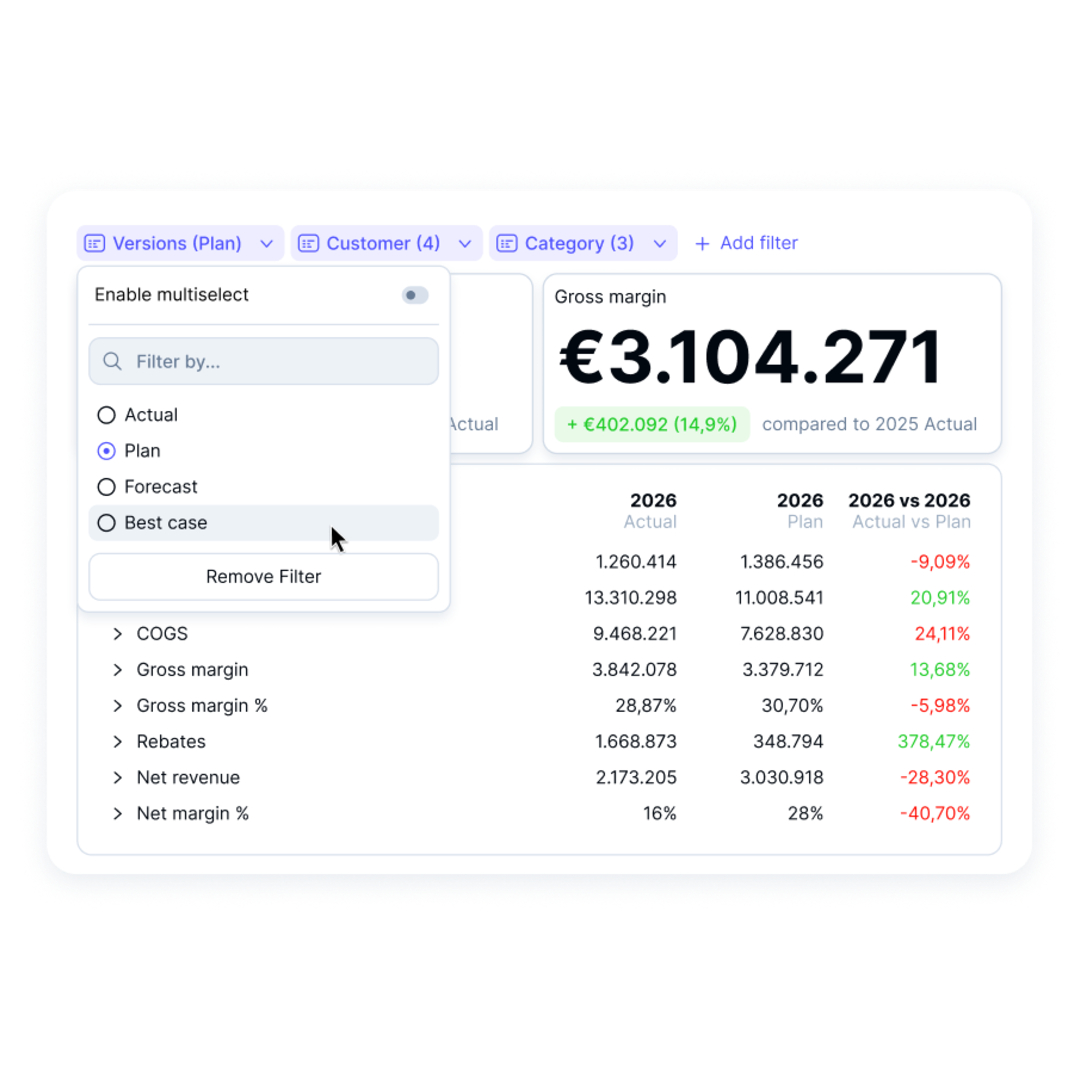
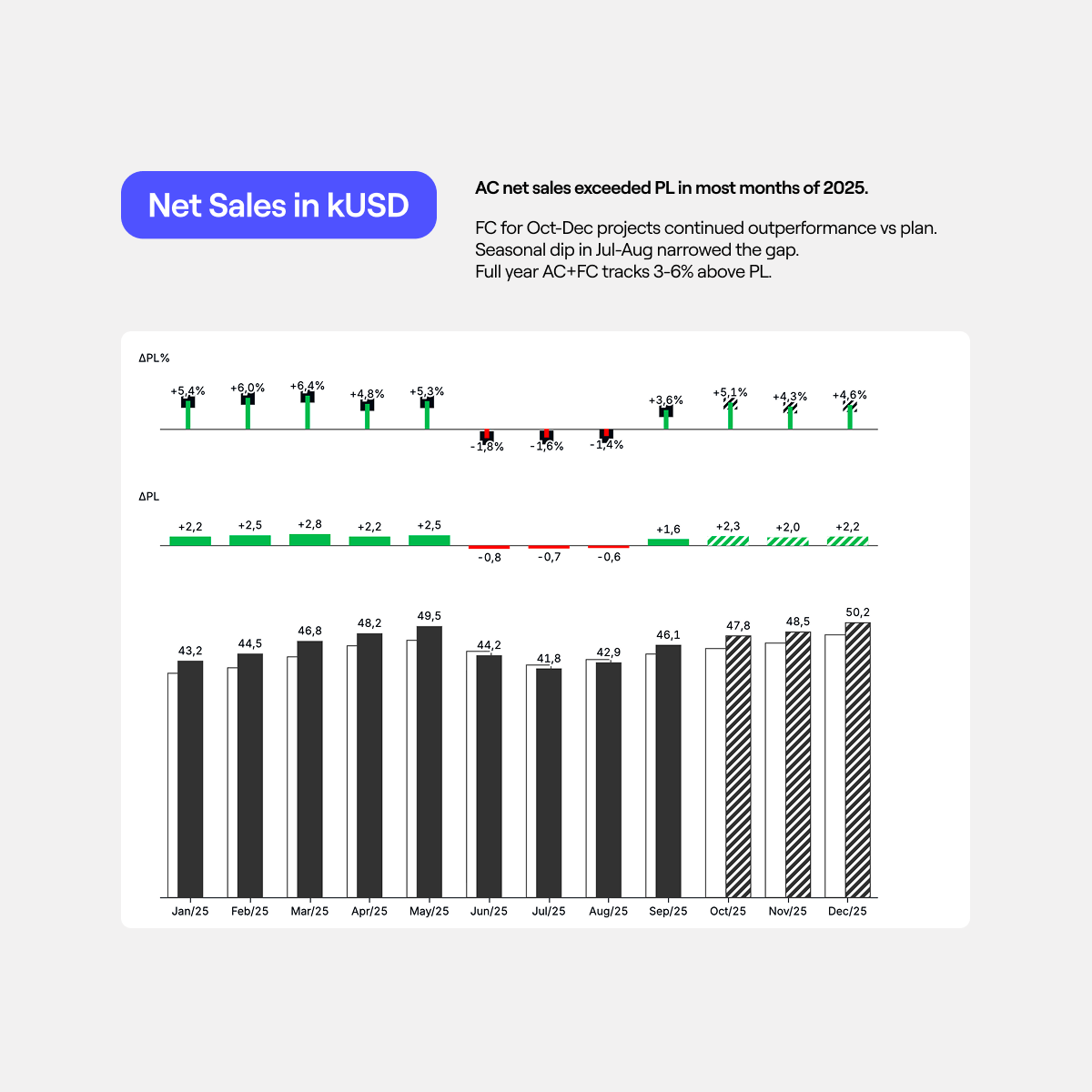
Farseer lets you model and compare multiple scenarios in one connected platform. Change any assumption — pricing, headcount, costs — and instantly see the impact across all financial statements. Compare best, worst, and base cases side by side with full change tracking, so you know exactly what shifted and why.
Yes. Scenario planning helps finance teams identify and quantify risks before they impact performance. By modeling revenue drops, cost shocks, or FX volatility, you can stress-test assumptions and act early. Farseer adds downside modeling, liquidity impact analysis, and sensitivity ranges to strengthen this process.
Test a scenario with your numbers
Find a time to meet with Farseer
✓
Get Started
Three steps from your first scenario to a decision-ready comparison.
1. ASSESS
Map your workflows
We review your data, processes and business goals to design the right setup.
2. CONNECT
Secure your foundation
We integrate your systems and structure your data in an isolated, ISO 27001:2022-certified.
3. ACTIVATE
Steer your organization
Your team can budget, forecast and model scenarios in one connected platform.