80%
Faster cost allocation process
"Farseer has significantly enhanced the speed, quality and reliability of our insights."

Planful is one of the mid-market’s most dependable consolidation and close engines – genuinely strong on multi-entity, multi-currency work. But reviewers are consistent about the trade-off: a real learning curve and up-front setup before the value shows.
Farseer closes that gap: the same depth, in a single operational-and-financial model finance can run itself.

Trusted by enterprise finance teams











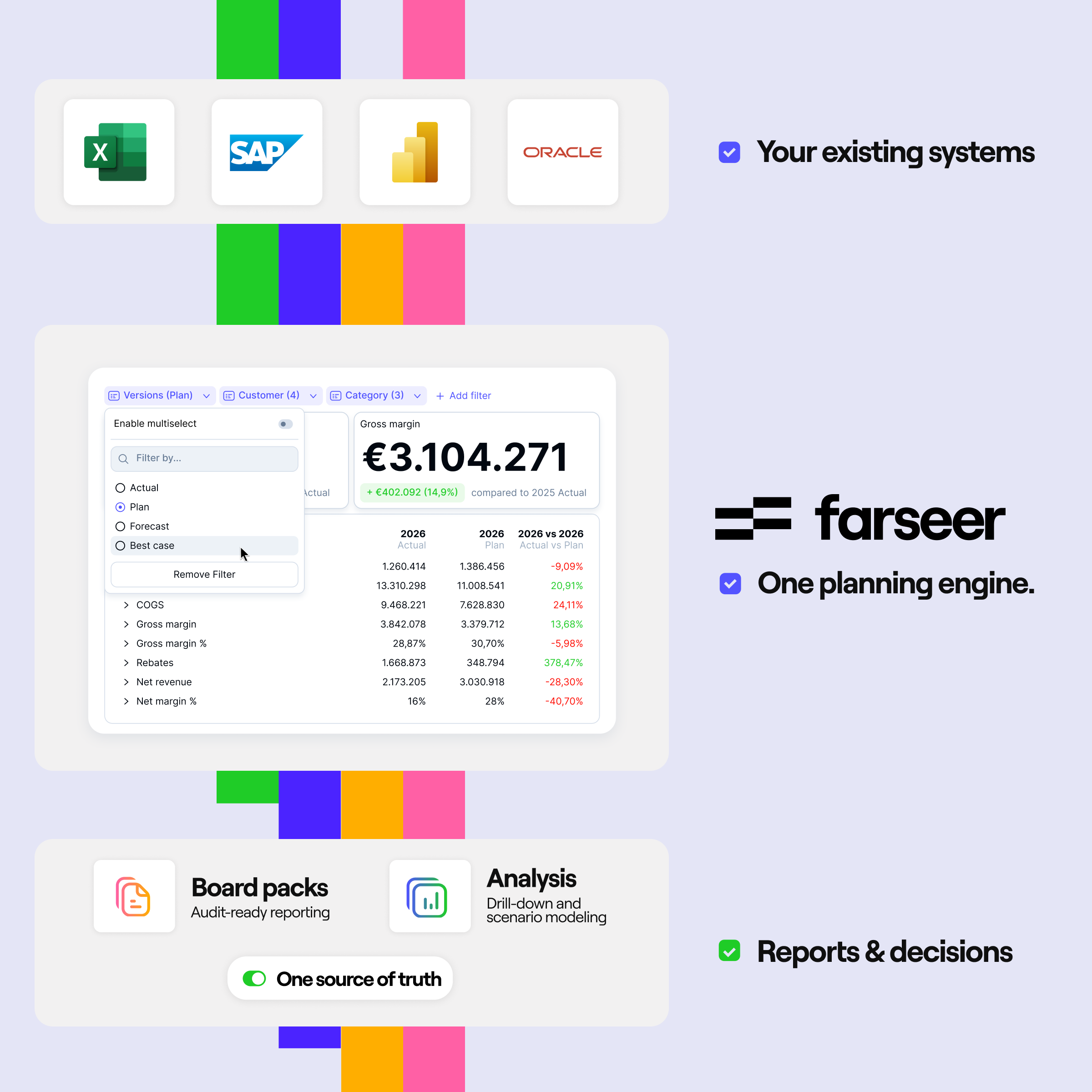
Planful plans and consolidates well, but it grew up as a financial close platform, and that heritage still shows. Financial workflows are its strength; deep operational planning is where teams tend to stretch the tool or lean on integrations.
Farseer was built the other way around: operational and financial planning live in one model. Change a sales assumption and the workforce plan, P&L, and cash flow all move together, because they were never separate to begin with. That removes a class of reconciliation work Planful users still manage.
The most consistent theme in Planful reviews is the effort to get productive.
Users praise the platform once it’s running, but reviewers repeatedly flag a steep learning curve, report-building that’s “not for the non-tech-savvy,” and meaningful data-model configuration before the value shows up. Capable finance users do become self-sufficient, but getting there often needs expert hands.
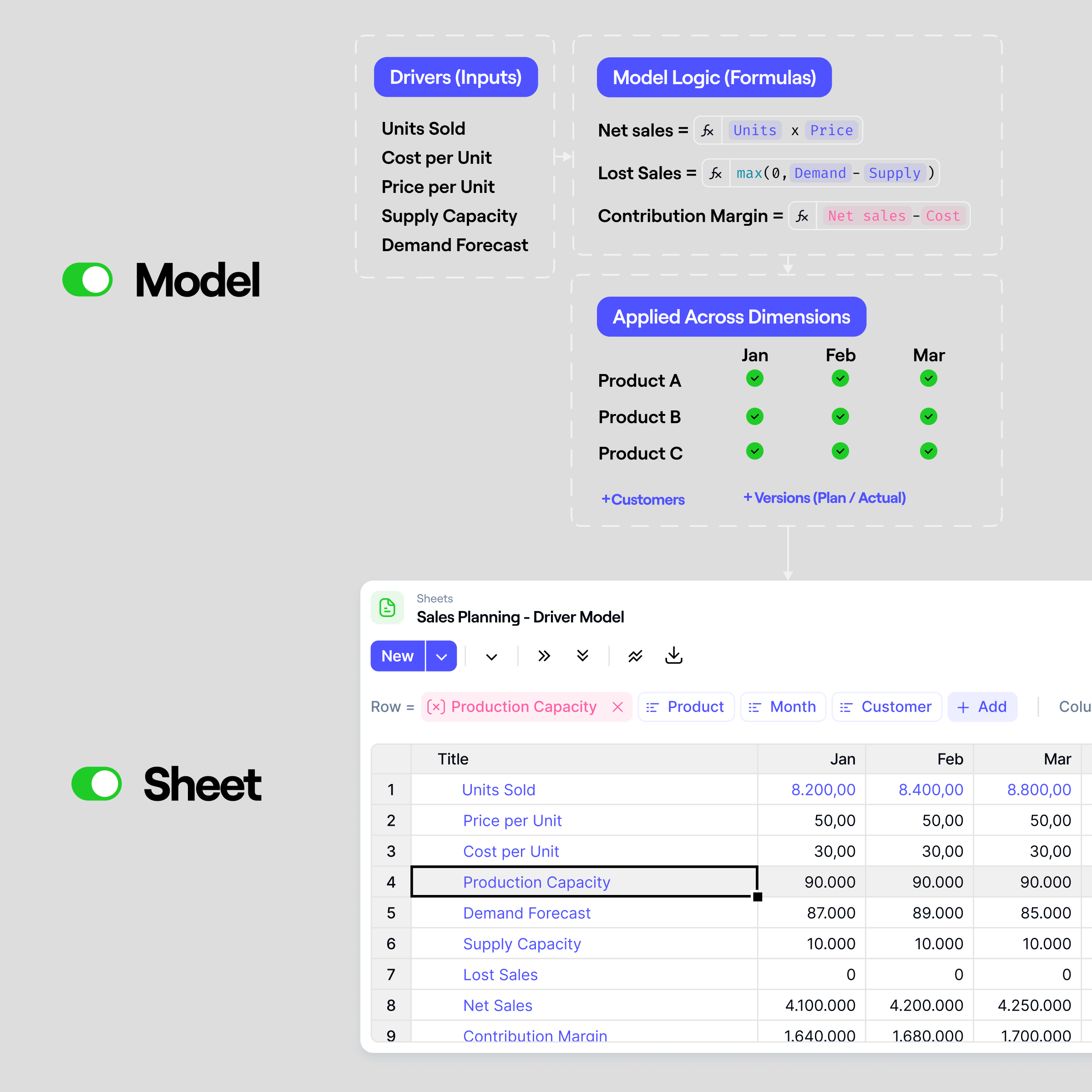
Farseer is designed so finance owns the model from day one, without standing consultant relationship or configuration tax.
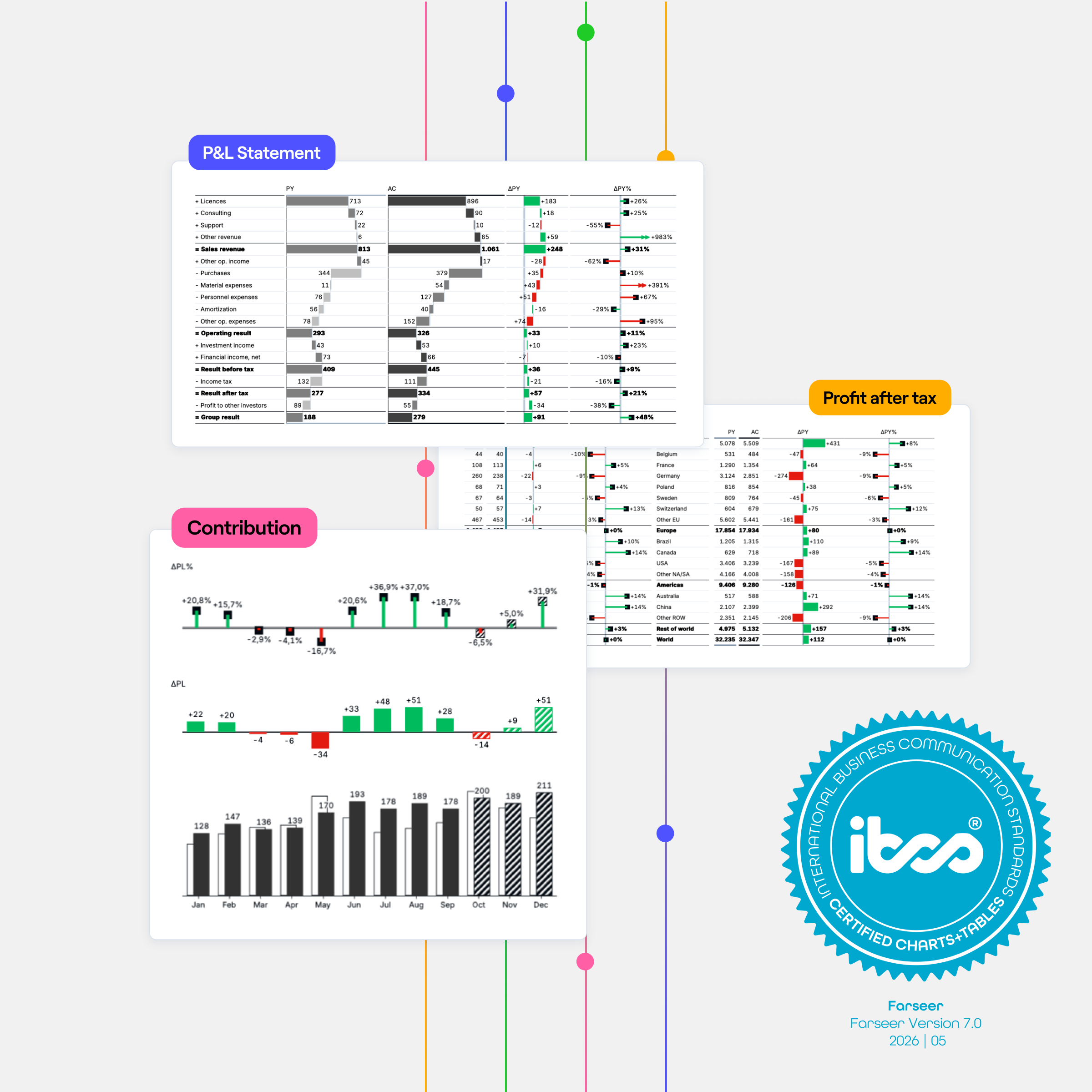
Both platforms report well, but only one ships dashboards built to a recognized visual standard.
Planful’s reporting is flexible and well-liked, especially Dynamic Reports and Spotlight-for-Excel. What it doesn’t carry is IBCS certification, the international standard for clear, consistent financial communication.
Farseer’s dashboards are IBCS-certified out of the box.
80%
Faster cost allocation process
"Farseer has significantly enhanced the speed, quality and reliability of our insights."
50%+
Reduction in manual work
"Farseer is so intuitively easy to use that whoever logged in continued to use it."

70%
Fewer planning cycle steps
"Farseer's driver-based planning gave us a reliable structure and streamlined our entire process."

Yes. Farseer handles multi-entity, multi-currency consolidation with intercompany eliminations, multi-GAAP statutory reporting, and the full close workflow. Planful’s consolidation engine is genuinely strong — one of the best in the mid-market — so this is parity, not a gap. The difference is that Farseer folds consolidation into a single operational-and-financial model rather than treating planning and close as separate motions.
Both are fast by enterprise standards. Planful now typically goes live in 8–12 weeks, a real improvement over older estimates. Farseer targets sub-90-day go-lives as well — but with less reliance on expert configuration up front, since the model is built for finance users to own directly.
Yes, and it’s worth being accurate here: Planful’s Predict suite includes ML-based Projections and Signals anomaly detection, plus persona assistants (Analyst, Planner, Controller) launched at Perform25. Farseer’s AI agents (Analyst, Strategist, Modeler) are a paid add-on. On AI, treat the two as broadly comparable rather than assuming a clear winner — the more durable difference is architectural.
The most common themes are a steep learning curve, report-building complexity for non-technical users, up-front data-model configuration, and occasional clunkiness saving data between finance and HR cubes. Ratings stay high (G2 4.3★, Gartner ~4.5★) because users value the platform once it’s running — the friction is in getting there.
Planful is strongest in North America but has been investing heavily in European expansion. Farseer is European-built with native multi-GAAP and statutory reporting, which can shorten the path for teams whose primary reporting obligations sit outside US GAAP.