
Wrecked margins, pricing, and forecasts: sounds like a real nightmare. But even a small mistake in COGS (Cost of Goods Sold) can bring it to life.
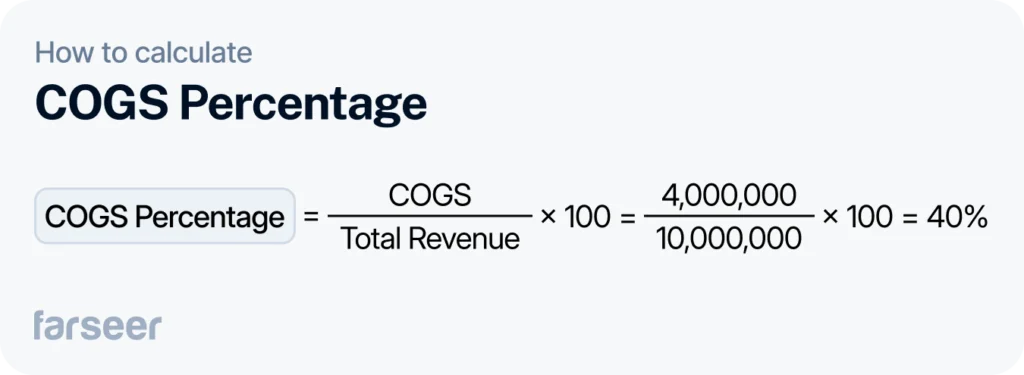
COGS tells you the real cost of making your product. That includes materials, labor, and production overhead. If it goes into the product, it belongs in COGS.
Most teams know what COGS is, in theory. But in practice, it’s often unclear and unreliable. Many companies pull it from ERP, tweak it manually, and drop it into budgets. That process looks clean on paper. In reality, it’s weak. Mistakes in classification, outdated cost models, and inconsistent allocations throw off your margin analysis.
Read more: A Complete Guide to Financial Statement Analysis for Strategy Makers
When that happens, your pricing, forecasts, and financial decisions start from the wrong baseline. Planning based on bad COGS data? You’re planning blind.
This article explains what’s included in COGS, why the number often goes wrong, and what you can do to fix it, without drowning in Excel.
What’s Included in COGS (and What’s Not)
COGS includes all direct costs tied to producing a product. These are costs that scale with production volume: when you produce more, you spend more.
Here’s what typically goes into COGS:
- Raw materials
- Direct labor (line workers, machine operators)
- Production-related utilities (electricity, water used in production)
- Packaging materials
- Factory-level maintenance and repairs
- Depreciation of production equipment
- Freight-in and warehouse costs (if directly tied to production)
What’s not included in COGS:
- Sales and marketing costs
- Admin salaries
- Office rent
- R&D expenses
- Freight-out (shipping to customers)
- General IT or corporate overhead
Important: Many companies misclassify costs. For example, logistics or energy might be partly production-related and partly overhead. Without clear rules, your COGS number quickly becomes inconsistent.
Why inaccurate COGS leads to bad decisions
COGS looks simple: total your direct costs and you’re done.
But in practice, it’s rarely that clean, and small errors can create big problems.
Data is often scattered. Production lives in ERP, costing models in Excel. Without one source of truth, each team applies different logic.
Shared costs like energy or logistics get assigned inconsistently, or not at all. Manual adjustments introduce more risk, especially when models rely on outdated inputs.
Even when the logic is sound, COGS often lags behind real costs. Input prices shift monthly, but models update too slowly. That delay creates a gap between actual and reported margins.
As a result, decisions start from the wrong baseline:
- Pricing misses the mark
- Forecasts become unreliable
- Gross margins lose accuracy
- Strategic choices carry more risk
If the cost base is wrong, even the best forecast won’t fix the plan.

How to Improve COGS Reporting
Improving COGS reporting doesn’t require a complete system overhaul. You can start by fixing how you define, collect, and structure cost data, and by ensuring your finance and operational teams follow the same rules.
Read more: 10 Best Financial Reporting Software Solutions
Here are six practical steps to improve your COGS process and reporting:
1. Align on what counts as COGS
Misalignment between teams is one of the biggest reasons COGS numbers lose credibility. Finance might exclude logistics from COGS, while Operations includes it. Or production overhead might be inconsistently allocated across business units.
To solve this, create a clear definition of what’s included in COGS and what’s not, and apply it company-wide. Standardizing cost categories across departments reduces confusion and improves internal trust.
2. Use real consumption data, not just standard rates
Many companies still rely on standard cost models or rough averages. However, if you already collect actual consumption data (e.g., energy usage, labor hours, material inputs), you’re missing an opportunity if you’re not using it.
Connecting real data to product output gives you much more accurate per-unit costs. This is especially useful in industries like pharma and food, where batch-level variation and waste impact true margins.
According to Accenture, real-time data use in finance improves planning speed by 25–30% and reduces reliance on assumptions.

3. Create transparent allocation rules for shared costs
Shared production costs, like factory rent, warehouse space, or energy, often serve multiple products or lines. Without a clear allocation method, those costs are either guessed or dumped into overhead, distorting your product margins.
Instead, define measurable allocation drivers. For example:
- Allocate energy by machine run time
- Allocate maintenance by equipment usage
- Allocate warehouse costs by space used (in m²) or volume
These keys should be reviewed regularly, especially if your product mix or production layout changes. Transparent allocation improves margin clarity and reduces debates during budget season.
4. Automate data flow from ERP to planning tools
Manual exports, Excel adjustments, and offline cost tweaks are still common, and they introduce unnecessary risk. When teams clean and consolidate ERP data by hand, accuracy suffers, and no one fully trusts the numbers.
KPMG highlights that these practices are still widespread, even though modern tools make them avoidable. According to their global finance survey, “manually consolidating and manipulating data in Excel is still far too common and, in many cases, the information is questionable.” With better tools available, continuing these habits only slows down decision-making and increases reconciliation work.
Building automated data flows between ERP, your data warehouse, and planning tools reduces manual effort and ensures Finance works with up-to-date actuals, not outdated files and assumptions.

5. Update cost models frequently
Even the best-built cost model becomes unreliable if it’s based on outdated inputs. If raw material, packaging, or energy costs shift monthly but your model only updates quarterly, reported margins can drift significantly from reality, and your planning decisions will reflect that gap.
According to PwC, finance leaders are expected to move beyond rigid, static processes and take on a more dynamic, facilitative role. Instead of simply executing controls, Finance must enable agile, resilient models that can adapt quickly to operational and market changes. This shift makes frequent updates to cost assumptions essential, especially in fast-moving industries like manufacturing, pharma, or packaging.
You don’t need a complex system overhaul to do this. With a consistent cost structure and automated data updates, monthly recalculations are achievable, and far more reliable than static quarterly assumptions.

6. Match your COGS structure to how you report performance
If your reporting is by product line, geography, or sales channel, your COGS logic should mirror that. When it doesn’t, Finance ends up explaining mismatches and reconciling numbers every month.
Design your cost model with reporting needs in mind. That way, your reports reflect how the business actually operates, not how the data happens to be structured.
Fixing COGS doesn’t mean chasing perfection. It means building a cost structure that’s consistent, flexible, and aligned across teams. When COGS is clean and trusted, Finance can shift from explaining numbers to driving decisions.
What good looks like
A strong COGS process doesn’t mean adding complexity. It means structuring your cost data in a way that’s consistent, explainable, and usable, across Finance, Controlling, and Operations.
Here’s what that looks like:
- COGS is broken down per product, SKU, production line, and region
- Direct and indirect production costs are clearly separated
- Allocation keys for shared costs (energy, logistics, maintenance) are defined and regularly reviewed.
- Data flows automatically from ERP into your planning system
- Cost simulations are possible
- Actual vs. plan comparisons are done regularly
- Ops and Finance teams speak the same language
When this foundation is in place, COGS becomes a reliable source for better decisions, from pricing and planning to strategic investment.

Why COGS Deserves More Attention Than It Gets
Many teams treat COGS as just another accounting line. But when it’s inaccurate, it quietly undermines your pricing, margin targets, and planning accuracy.
On the other hand, when COGS is structured well, with consistent inputs, clear allocation logic, and reliable actuals, it becomes a strong foundation for decision-making across Finance and Operations.
If COGS is still handled in spreadsheets and static models, you’re not alone. But there’s a growing shift toward automating and improving this process, especially in teams managing complex cost structures.
If you’re starting to rethink how you manage COGS, a good place to start is asking how well does your current process handle real-time data, cost allocations, and actual vs. plan tracking?
Đurđica Polimac is a former marketer turned product manager, passionate about building impactful SaaS products and fostering connections through compelling content.