
FREE CALCULATOR
Current Ratio Calculator
Current Ratio Calculator
Measure short-term liquidity by comparing current assets to current liabilities.
What is the Current Ratio
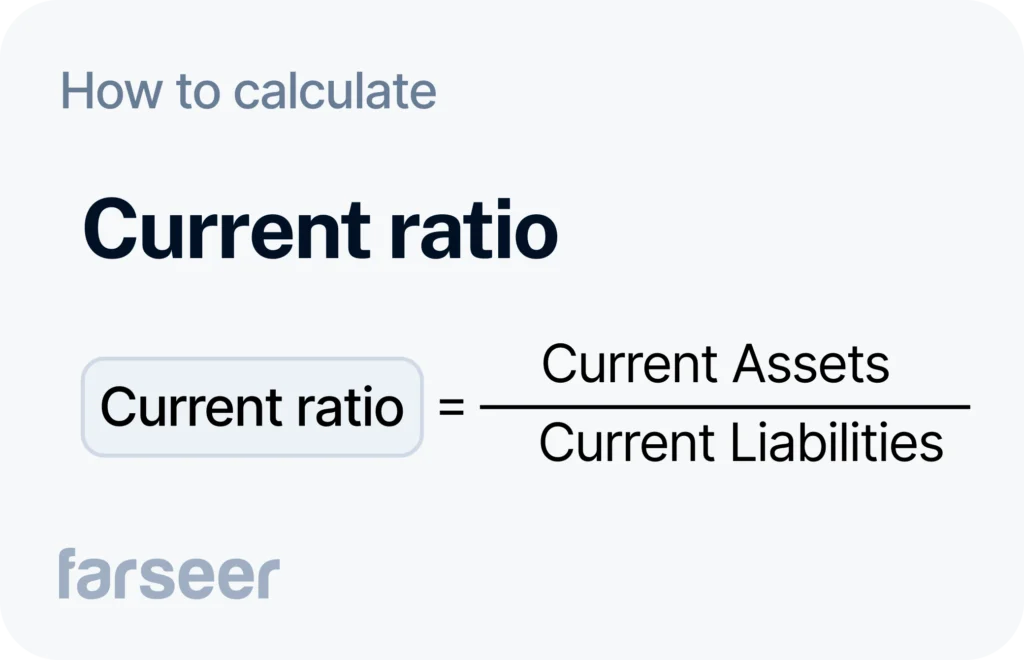
The current ratio is a simple liquidity metric that compares a business’s current assets to its current liabilities. It helps you understand whether a company can cover its short-term obligations with assets expected to turn into cash within a year.
How to Use This Current Ratio Calculator
Enter your Current Assets (cash, accounts receivable, inventory, prepaid expenses, and other short-term assets).
Enter your Current Liabilities (accounts payable, short-term debt, accrued expenses, taxes payable, and other obligations due within a year).
Click Calculate to get the ratio and a quick interpretation.
How to interpret the result
A “good” current ratio depends on the industry and business model, but common rule-of-thumb ranges are:
Below 1.0: current liabilities exceed current assets (potential short-term pressure)
1.0–1.5: often adequate coverage in stable businesses
1.5–3.0: typically a comfortable liquidity buffer
Above 3.0: very conservative, could also suggest idle cash or inefficient working capital use
Limits of the Current Ratio
Not all current assets are equally liquid.
While the current ratio treats all current assets the same, their real-world liquidity can vary significantly. Cash and cash equivalents are immediately available, but inventory may take time to sell and could require discounts. Accounts receivable depend on customer payment behavior and may not be collected as quickly, or at all. A high current ratio driven mainly by inventory or slow-moving receivables can overstate true short-term strength.
Industry norms matter more than absolute numbers.
There is no single “ideal” current ratio that applies to every business. Retailers often operate with lower ratios because of fast inventory turnover, while subscription or service-based businesses may sustain lower ratios due to predictable cash inflows. Capital-intensive industries, on the other hand, may require higher buffers. Always compare results to peers in the same industry.
Use it alongside other metrics for context.
The current ratio is a starting point, not a final verdict. The quick ratio removes inventory and focuses on more liquid assets, offering a stricter view of short-term solvency. Operating cash flow shows whether the business is actually generating cash to meet obligations. Together, these metrics provide a more reliable picture than any single ratio alone.
How Farseer Helps You Go Beyond the Current Ratio

While this calculator gives you an immediate snapshot of short-term liquidity, Farseer helps finance teams handle everything that comes after:
Analyze working capital drivers behind changes in liquidity
Connect balance sheet ratios to operating and cash flow forecasts
Model seasonality, growth, and stress scenarios
Compare liquidity across business units, products, or time periods
Replace static spreadsheets with structured, version-controlled models
Align finance, operations, and management around a single source of truth
With Farseer, the current ratio becomes a starting signal, not a final conclusion. Liquidity is evaluated in context, linked directly to cash flow timing, operational plans, and long-term financial strategy.
Book a demo to see how Farseer helps transform liquidity analysis into confident financial planning.